
A Homeowner's Guide to Navigating Storm Damage Roof Insurance Claims
Maryland weather can be unpredictable. One minute it’s sunny, and the next, a severe storm is rolling through with high winds and hail. When the storm passes, the last thing you want to discover is damage to your roof. The stress of a leak or missing shingles is bad enough, but then comes the often confusing and overwhelming process of filing an insurance claim. Many Baltimore homeowners feel lost, unsure of where to start or how to ensure they get a fair settlement to properly fix the damage.
At Kohn Contracting, we believe you shouldn't have to navigate this process alone. We've helped countless homeowners through this exact situation, and we created this guide to demystify the insurance claim process. We'll walk you through the essential steps, from initial damage assessment to working with an adjuster, so you can feel confident and in control.
Step 1: Prioritize Safety and Document Everything
Immediately after a storm, your first priority is safety. Check for downed power lines, broken glass, and other hazards around your property before you attempt to assess the damage. If it is safe to do so, your next step is crucial for your insurance claim: documentation.
Before you move a single shingle or call for a temporary patch, take clear photos and videos of the damage from multiple angles. Capture images of:
- Missing or damaged shingles: Look for shingles that are cracked, curled, or completely gone.
- Dents on gutters, downspouts, and vents: Hail damage is often most obvious on metal surfaces.
- Granules in your gutters: Significant granule loss can indicate shingle damage and reduced roof lifespan.
- Interior signs of leaks: Check your attic and ceilings for water stains or active drips.
This visual evidence is your most powerful tool when filing a claim. Once you have thoroughly documented the damage, take steps to prevent further issues. This might involve placing a tarp over the affected area. Most insurance policies require you to mitigate further damage, and a professional roof repair company can often assist with emergency tarping.
Step 2: Contact Your Insurance Company and a Trusted Roofer
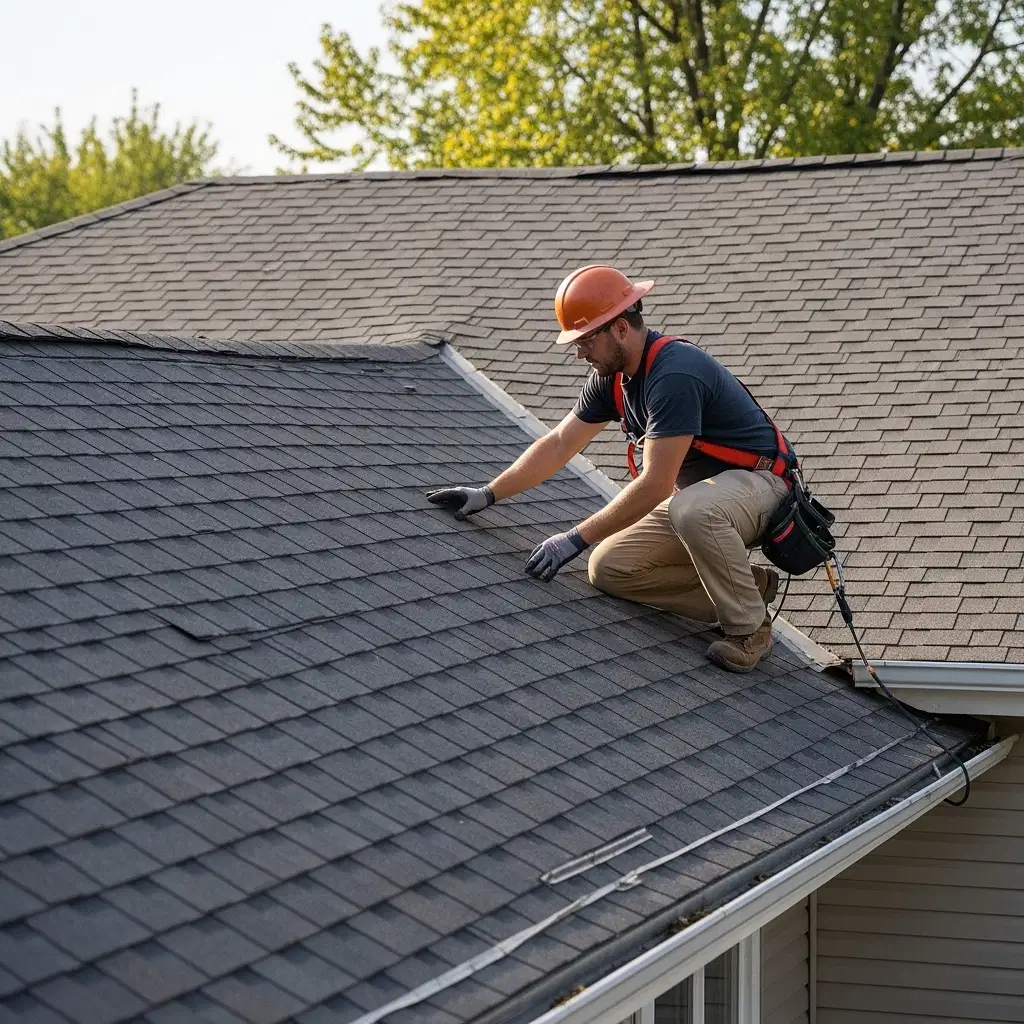
With your documentation in hand, it's time to contact your insurance agent to initiate the claim process. Have your policy number and the date of the storm ready. Your insurance company will assign a claim number and an adjuster to inspect the property. But before the adjuster arrives, you should make another important call: to a reputable, local roofing contractor.
Why is this so important? An insurance adjuster works for the insurance company. While most are fair, their goal is to assess the damage from their company's perspective. A professional roofer works for you. By getting a comprehensive roof assessment from an experienced contractor, you gain a detailed, independent evaluation of the damage. This is especially critical for Baltimore's historic rowhouse roofs, where damage can be complex.
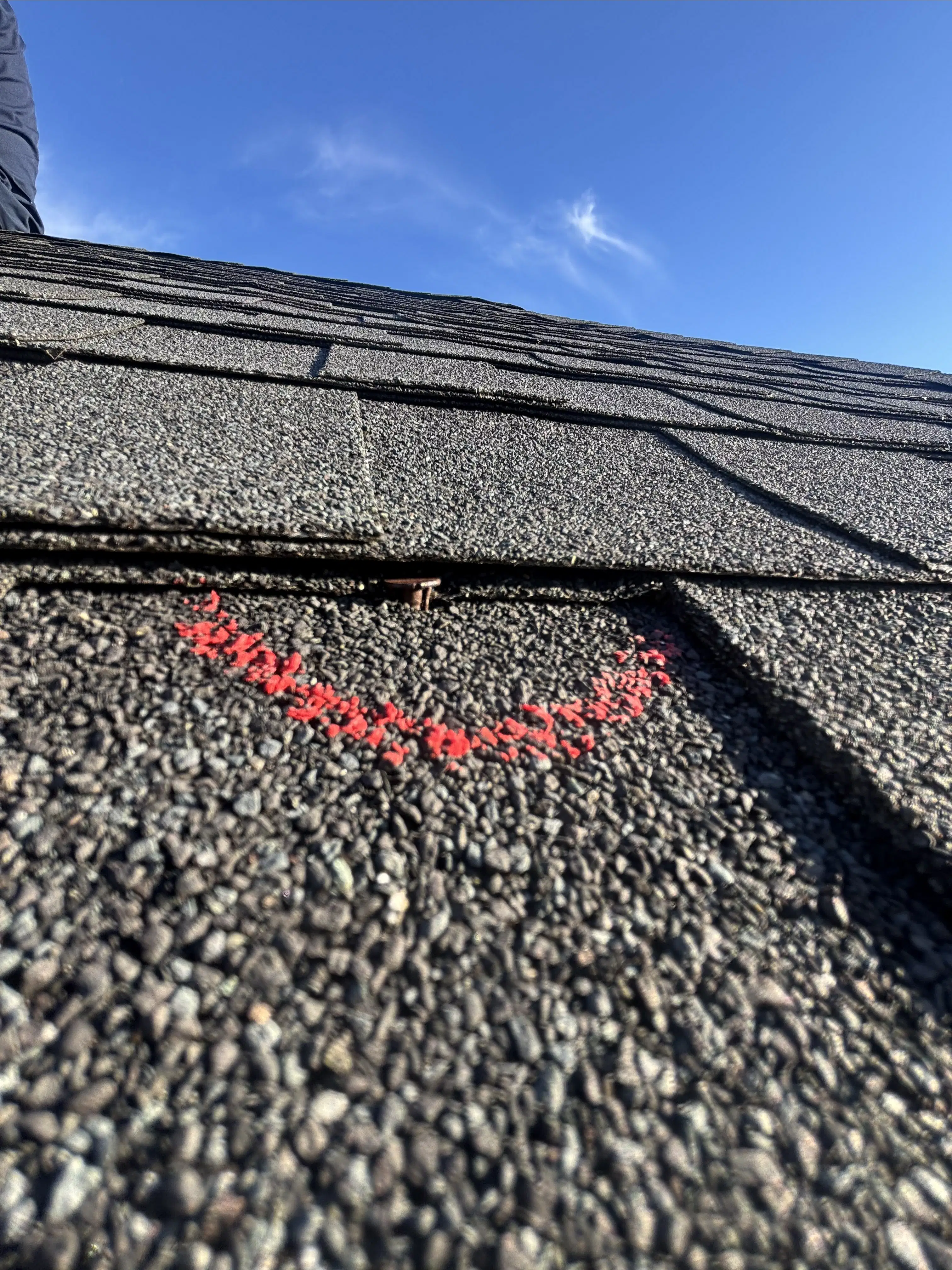
A trusted contractor can identify issues that an adjuster might overlook, such as subtle hail impacts, compromised flashing, or wind-lifted shingles that haven't fully detached. This professional assessment provides you with a detailed scope of work and an estimate based on current material and labor costs, serving as a vital baseline for your claim.
Step 3: The Adjuster Meeting and Reviewing the Settlement
We highly recommend having your chosen contractor present when the insurance adjuster visits your home. This creates a collaborative environment where your roofer can walk the roof with the adjuster, point out the documented damage, and discuss the proper methods for repair or replacement. This ensures that everyone is on the same page and that the scope of work accurately reflects what's needed to restore your roof to its pre-storm condition.
After the inspection, the adjuster will compile a report detailing the covered damages and the estimated cost of repairs. This is where your contractor's estimate becomes invaluable. You can compare the two documents to ensure the adjuster's report is fair and complete. If there are discrepancies, your contractor can help you communicate with the insurance company to provide additional evidence and negotiate a revised settlement.
Understanding the settlement offer is key. You'll likely see terms like Replacement Cost Value (RCV) and Actual Cash Value (ACV). ACV is the value of your roof minus depreciation, and it's often the first check you receive. Once the work is completed, you can submit the final invoice from your contractor to receive the remaining amount (the depreciation). A quality contractor can help you understand this process and ensure you have the funds needed for a full roof replacement if necessary.
Don't Navigate Storm Damage Alone
Dealing with a storm-damaged roof is stressful, but you don't have to handle the insurance process by yourself. Following these steps—prioritizing safety, documenting everything, and partnering with a trusted professional—can make a significant difference in the outcome of your claim.
If your home has been affected by a recent storm, the team at Kohn Contracting is here to help. We provide thorough, honest assessments and have extensive experience working with insurance claims for all types of residential roofing in the Baltimore area. We'll act as your advocate, ensuring your property is fully restored with quality materials and expert workmanship. Contact us today to schedule a professional roof assessment and get the peace of mind you deserve.