
Don't Let Water Win: A Baltimore Business Owner's Guide to Flat Roof Drainage
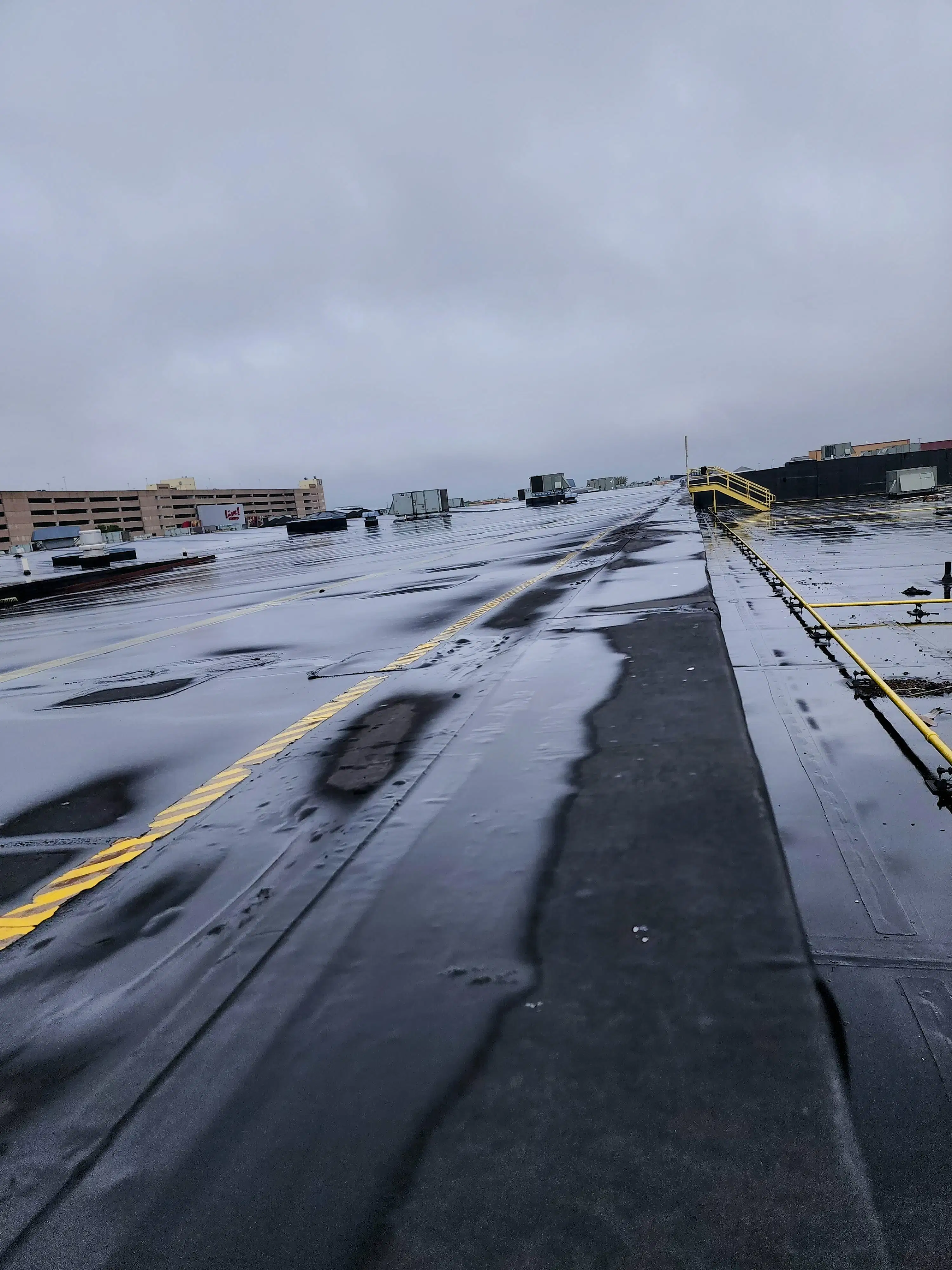
After a heavy Maryland downpour, it’s a common sight for property managers and business owners across Baltimore: standing water on a commercial flat roof. It might look like a simple puddle, but that ponding water is a silent threat to your building's integrity and your bottom line. Water is incredibly heavy, and what seems like a minor issue can quickly escalate into costly structural damage, persistent leaks, and operational disruptions. Protecting your commercial property starts from the top down, and understanding the dangers of poor drainage is the first step. This guide will walk you through the causes of flat roof ponding, the risks it poses, and the professional solutions that can safeguard your investment.
The Hidden Dangers of Standing Water
Ponding water is officially defined as water that remains on a roof for more than 48 hours. While it may seem harmless, its cumulative effect can be devastating. Ignoring it is a gamble that can lead to significant financial and structural consequences.
- Intense Structural Stress: Water weighs approximately 5.2 pounds per square foot for every inch of depth. A large area of ponding water can add thousands of pounds of unforeseen weight to your roof structure. This constant load can cause the roof deck to sag or deflect, compromising its structural integrity and potentially leading to a catastrophic failure.
- Accelerated Material Degradation: Most commercial roofing membranes, like TPO, EPDM, and modified bitumen, are water-resistant, but they aren't designed to be permanently submerged. Standing water magnifies the sun's UV rays, which accelerates the breakdown of the membrane. It also weakens seams and adhesives, creating entry points for leaks.
- Costly Leaks and Interior Damage: Once water breaches the membrane, it can damage the insulation, saturate the roof deck, and find its way into your facility. This can lead to ruined inventory, damaged equipment, mold growth, and expensive interior repairs—not to mention the disruption to your business operations.
- Unwanted Growth: Puddles of stagnant water create a perfect breeding ground for algae, moss, and even small plants. The root systems of this vegetation can penetrate the roofing material, creating pathways for water to seep in and causing further damage.
Common Causes of Poor Flat Roof Drainage
Understanding why water is collecting on your roof is key to finding the right solution. In most cases, ponding is a symptom of a larger issue that needs to be addressed by a professional. Here are the most common culprits:
- Clogged Drains, Scuppers, and Gutters: This is the number one cause of flat roof drainage problems. Leaves, dirt, trash, and other debris can easily block drainage points, preventing water from exiting the roof. Without a clear path, water has nowhere to go and begins to pool. Regular roof maintenance is essential to keep these pathways clear.
- Improper Slope: While they're called "flat roofs," they are actually designed with a slight, intentional slope to direct water toward the drains. If the roof was installed with an inadequate slope, or if the building has settled over time, low spots can form where water naturally collects.
- Structural Compression and Settling: The weight of heavy equipment, like HVAC units, can cause the underlying insulation and roof deck to compress over time. This creates depressions that become natural collection points for rainwater.
- Previous, Improper Repairs: A poorly executed patch or roof repair can inadvertently create a dam, blocking the flow of water and causing it to back up.
Proactive Solutions for a Dry, Healthy Roof
Fixing standing water on a flat roof isn't a DIY job; it requires professional expertise to diagnose the root cause and implement a lasting solution. The goal is not just to remove the water but to ensure it doesn't collect again. Here are some of the most effective strategies employed by flat roof specialists.
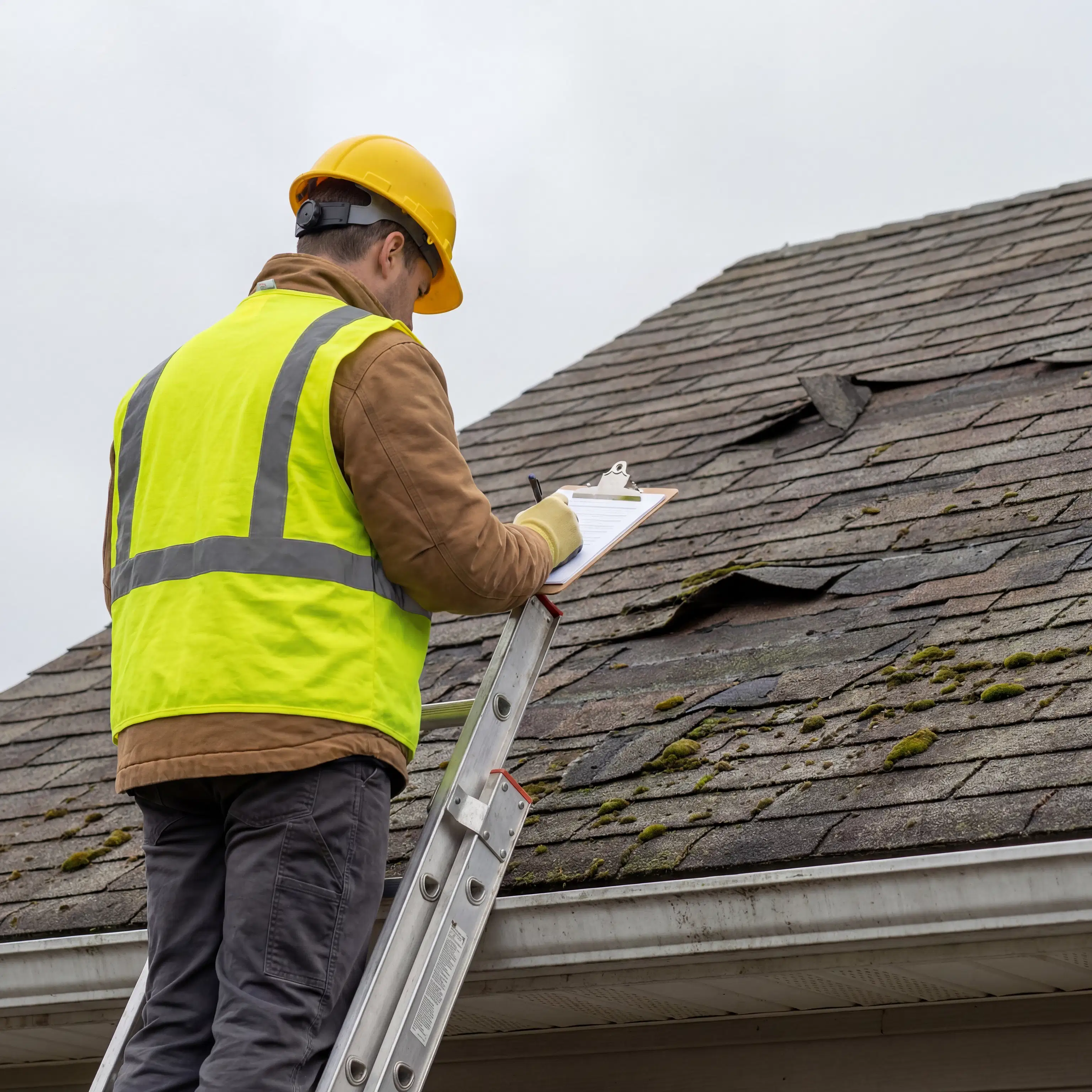
- Comprehensive Roof Assessment: The first step is always a thorough roof assessment. A professional will inspect the entire roofing system to identify blocked drains, assess the existing slope, check for membrane damage, and pinpoint the exact cause of the ponding.
- Tapered Insulation Systems: For roofs with inadequate slope, installing a tapered insulation system is one of the most effective long-term solutions. This involves adding custom-cut, rigid insulation boards that create a positive slope, actively directing water toward the drains. This not only solves the ponding issue but can also improve your building's energy efficiency.
- Adding New Drains or Scuppers: In some cases, the roof simply doesn't have enough drainage points to handle the volume of water from heavy rainfall. A qualified commercial roofing contractor can strategically add new drains or scuppers to improve water flow and eliminate low spots.
- Regular, Professional Maintenance: Prevention is always more cost-effective than a major repair. A scheduled maintenance plan ensures that drains and gutters are kept clear, seals and flashing are inspected, and minor issues are addressed before they can cause ponding.
Protect Your Baltimore Property with Expert Drainage Solutions
Ponding water on your commercial flat roof is a clear warning sign that shouldn't be ignored. It's a direct threat to the longevity of your roof and the safety of everything underneath it. By being proactive and addressing the root cause of poor drainage, you can prevent expensive repairs, protect your assets, and extend the life of your roofing system.
Don't wait for a small puddle to become a major liability. If you've noticed standing water on your property's roof, it's time to call in the experts. The team at Kohn Contracting specializes in commercial roofing solutions for businesses throughout the Baltimore area. Contact us today to schedule a comprehensive roof assessment and let us help you protect your investment for years to come.