How to Spot Storm Chaser Roofing Scams
When severe weather rolls through the Baltimore area, it often leaves behind a trail of damaged property. Unfortunately, the passing of a major storm also signals the arrival of opportunists looking to make a quick buck. These out-of-state contractors, commonly known as "storm chasers," descend upon affected neighborhoods offering fast fixes and unbelievable deals. While their promises sound great when you are stressed about protecting your home, hiring the wrong company can lead to shoddy workmanship, voided warranties, and significant financial loss.
Learning how to spot roofing contractor scams is essential for protecting your property and your wallet. At Kohn Contracting, our "People First" approach means we believe in homeowner education just as much as we believe in quality craftsmanship. If you are anxious about the condition of your home after a heavy storm, taking a moment to breathe and evaluate your options can save you from a major headache down the road. Let's walk through what a storm chaser is, the red flags you should watch out for, and how to ensure you are hiring a trustworthy professional.
What Exactly is a Storm Chaser?
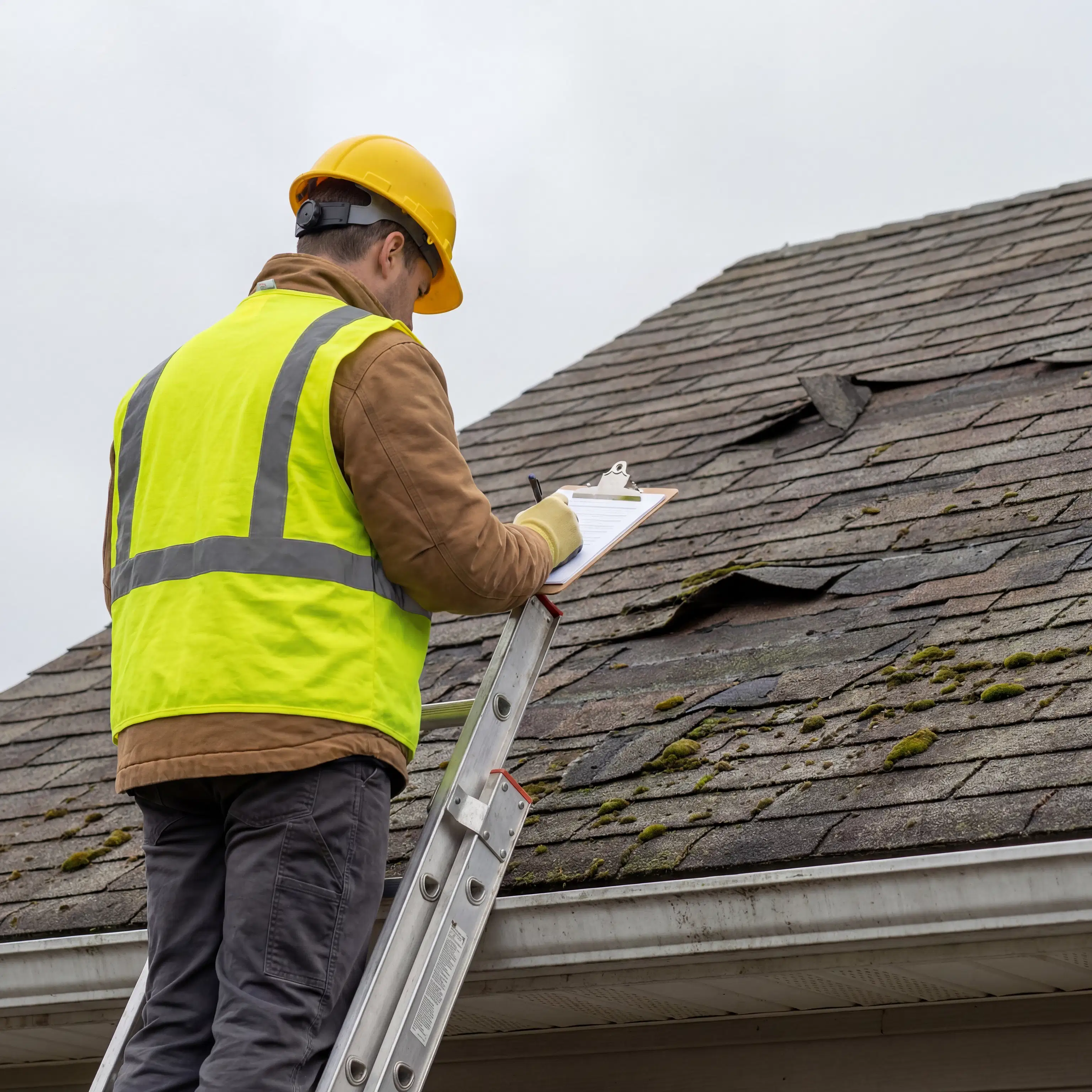
Storm chasers are transient contracting companies that follow severe weather events across the country. Their business model relies on high-volume, quick-turnaround jobs. They canvas neighborhoods that have just experienced hail, heavy winds, or heavy snowfall, knocking on doors and offering "free" inspections or heavily discounted services. Their goal is to secure your insurance money as quickly as possible.
The core problem with these companies is a severe lack of accountability. Because they are not rooted in the local community, they have no incentive to build long-term relationships or maintain a positive reputation. Once the regional demand dries up, they pack up and move to the next state. If the roof repair they performed starts leaking six months later, their phone numbers will likely be disconnected, leaving you to foot the bill for a professional to come in and fix their mistakes.
Major Red Flags to Watch Out For
When you are approached by a contractor after a storm, pay close attention to how they conduct themselves. One of the biggest warning signs is high-pressure sales tactics. A reputable professional will inspect your property, provide a transparent estimate, and give you time to make an informed decision. A scammer will often insist that you sign a contract immediately to "lock in a special rate" or claim that your property is in imminent danger of collapsing if you do not act today.
Another common tactic is demanding a large down payment upfront, sometimes in cash, before any materials have been delivered or work has started. While a modest deposit is standard in the industry, an unusually large upfront request is a major warning sign. Furthermore, be wary of contractors who promise to cover your insurance deductible. This is often illegal and is a clear indicator that the company is willing to commit insurance fraud, which puts you at serious legal risk.
Verifying Reputable Roofer Licenses and Insurance
One of the most effective ways to protect yourself when hiring reliable storm damage repair contractors is to diligently verify their credentials. Every state has different requirements, but in our area, any contractor performing home improvements must be licensed by the Maryland Home Improvement Commission (MHIC). This license is not just a piece of paper; it proves that the contractor has met specific financial and regulatory standards to legally operate in the state.
Always ask for a contractor's MHIC number and take the time to verify it online through the state's official portal. For example, Kohn Contracting operates under MHIC #159484. If a door-to-door salesperson cannot produce a valid, local license number, or if they try to use a license registered to a completely different company name, close the door. Additionally, you must verify their insurance. A legitimate business will carry both General Liability and Workers' Compensation insurance and should have no problem providing a certificate of insurance upon request. This protects you from being held liable if a worker is injured on your property.
The Importance of Local Expertise
Hiring a local company goes beyond simply supporting your local economy; it ensures that the people working on your property actually understand the specific architectural and environmental challenges of the region. A team that travels from three states away will not understand the unique requirements of a historic Canton rowhouse, nor will they be familiar with the intricacies of sealing the tricky flashing transitions where flat roofs meet synthetic stone siding.
Local companies understand the intense humidity of our summers and the freezing conditions of our winters, allowing them to recommend the materials that will actually stand the test of time. Furthermore, a local business relies on a neighbor-to-neighbor approach to survive. Their reputation is built entirely on word-of-mouth and customer satisfaction. When a local crew completes a roof replacement, they are providing a warranty that they will actually be around to honor if something goes wrong.
Protect Your Home with Trusted Professionals
Dealing with property damage is stressful enough without the added anxiety of navigating scams and high-pressure salespeople. The key to a successful recovery after a storm is patience, diligence, and choosing a contractor who values quality and long-term relationships over a quick paycheck. By recognizing the red flags and taking the time to verify licenses, insurance, and local references, you can confidently protect your most valuable investment.
If you have concerns about the condition of your property after a recent weather event, do not rush into a contract with the first person who knocks on your door. Instead, rely on the established professionals who call Charm City home. Reach out to Kohn Contracting today through our contact us page to schedule a thorough, honest, and completely transparent property assessment.