
Protecting Your Historic Rowhouse: A Guide to Flashing, Cornices, and Exterior Walls
Owning a piece of Charm City history is a truly rewarding experience. The historic architecture, the close-knit community feel, and the unique character of our neighborhoods make living here incredibly special. But maintaining a traditional rowhouse comes with its own distinct set of structural challenges, especially when it comes to keeping water out. From dealing with shared party walls to protecting ornate exterior details, understanding how your home's exterior defense system works is essential.
If you have ever worried about water creeping into your home during one of our heavy summer storms or freezing winter nights, you are certainly not alone. Extreme seasonal weather in Maryland takes a toll on older structures. Let's look at the best ways to protect your historic home's exterior, from the roof down to the foundation, ensuring your investment remains safe and beautiful for years to come.
The Complexity of Shared Walls and Flashing
One of the defining features of local architecture is the shared party wall. While these connected structures create a great sense of community and help insulate homes, they also create a unique vulnerability when it comes to water intrusion. If the seal between two properties fails, both homeowners can face significant interior damage, leading to stressful and costly repairs.
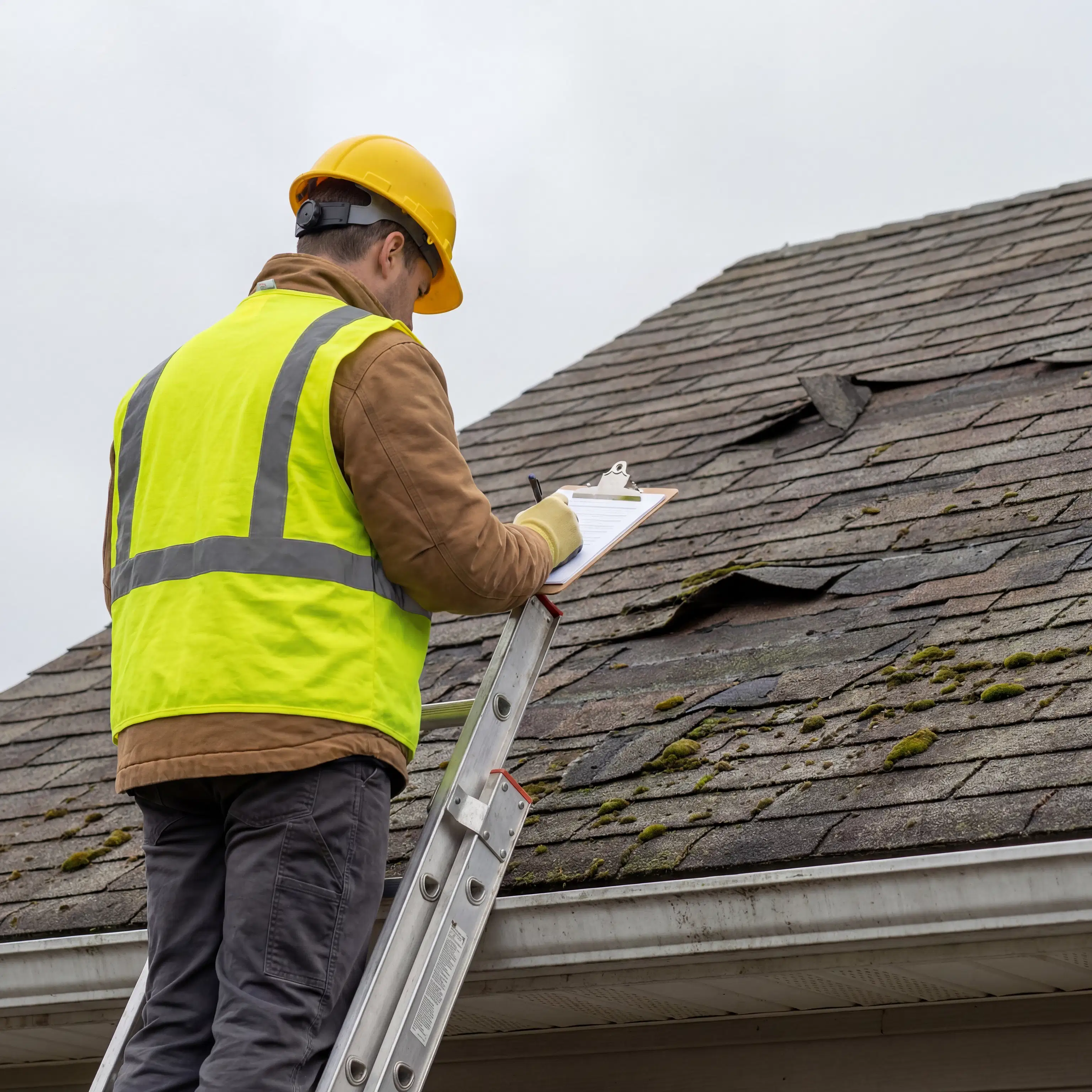
Properly sealing rowhouse party wall and siding flashing requires specialized knowledge of how these structures settle and move over time. The transition points where a flat roof meets the parapet wall, or where flashing connects to iconic local facades like Formstone, are particularly prone to leaks. Over the years, building materials expand and contract with the fluctuating Maryland temperatures, causing old caulk and metal flashing to crack, rust, or pull away from the masonry. Whether you live in an older city neighborhood or a classic mid-century home in Dundalk, if you notice damp spots near the ceiling on a shared wall, it is often a sign that the flashing needs professional attention. Catching these structural vulnerabilities early through targeted roof repair can save you from having to deal with extensive interior renovations down the road.
Preserving Historic Cornices and Exterior Walls
Look up at almost any older street in neighborhoods like Canton and Federal Hill, and you will see beautiful, decorative wooden ledges overhanging the rooflines. These architectural elements are stunning and add immense curb appeal, but preventing water damage around historic cornices is a constant battle for property owners. Because they protrude from the main structure of the building, they bear the brunt of heavy rain, wind, and snowmelt. When the top flashing on a cornice fails or the protective paint peels away, water slowly rots the wood from the inside out, compromising the structure before the damage is even visible from the street.
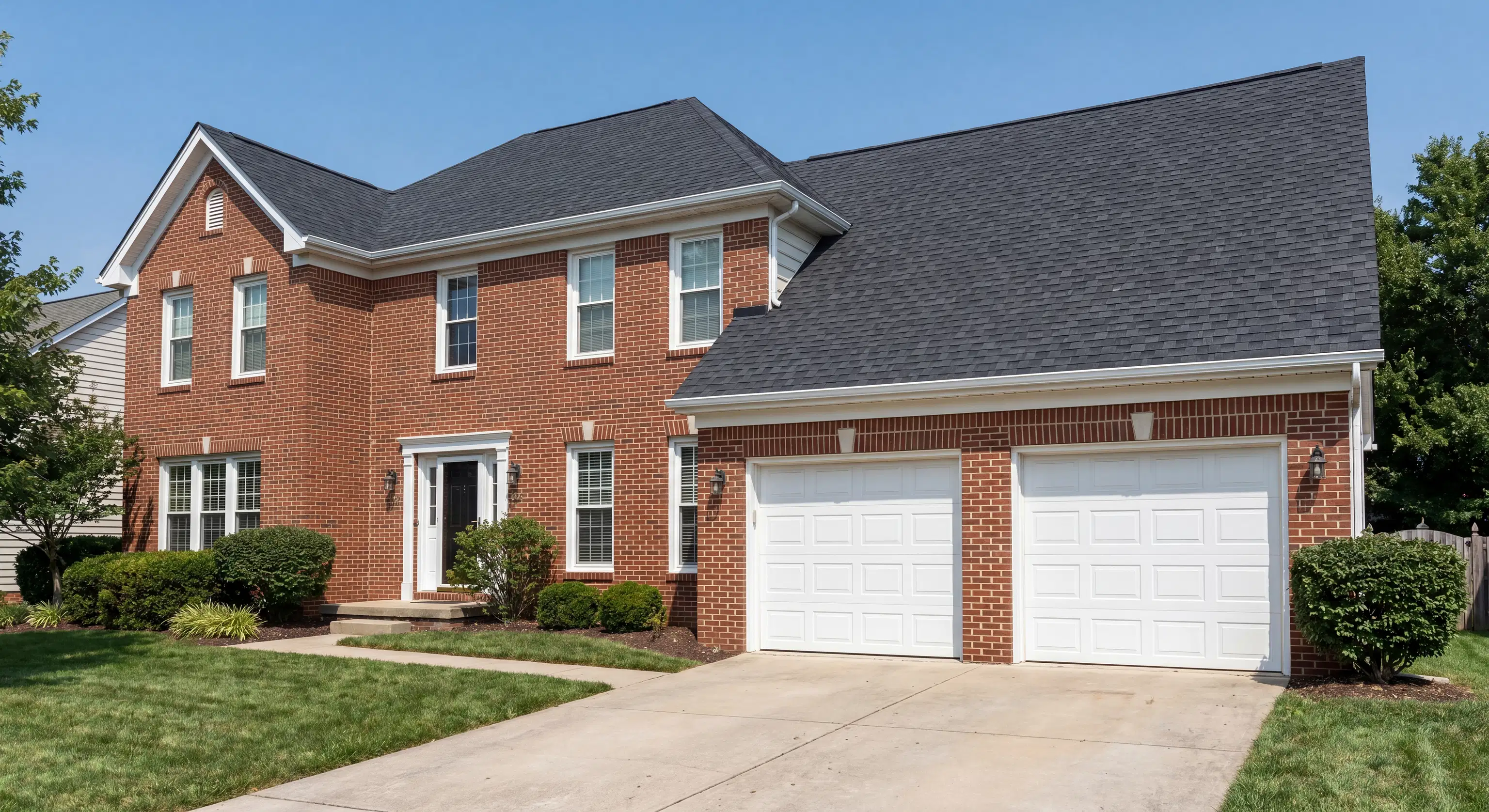
Navigating repairs on these historic features often means adhering to strict local preservation guidelines (CHAP) to maintain the neighborhood's historical aesthetic. It requires a contractor who respects traditional craftsmanship while applying modern waterproofing techniques. However, for the rear and side exterior walls—especially on a tight alley house where space is limited and weathering can be surprisingly severe—homeowners often look for highly durable, low-maintenance upgrades. Updating your exterior walls with professional vinyl siding replacement can provide a watertight barrier that dramatically improves energy efficiency while shielding your home from the elements. Modern vinyl siding comes in profiles that mimic traditional wood cladding, offering a perfect blend of historical respect and contemporary protection.
Mastering Flat Roof Drainage and Gutters
A watertight roof membrane and solid exterior siding mean very little if rainwater has nowhere to go. Flat roofs are notorious for ponding water if the drainage system gets clogged by leaves, twigs, and urban debris. When scuppers and downspouts back up during a storm, the standing water accelerates the deterioration of the roofing materials and can even seep under historic tin roof elements, causing rust and widespread structural decay.
Installing reliable gutter guard protection for leaf protection is one of the absolute most effective ways to maintain consistent flat roof drainage on a rowhome. By keeping the drainage pathways clear year-round, you significantly reduce the risk of ice dams forming during our freezing winters. Ice dams occur when trapped water freezes and forces its way under roof seams, leading to severe interior leaks. Furthermore, a clear drainage system prevents water from overflowing out of the gutters and washing down your brickwork during sudden summer downpours, which can eventually erode the mortar and compromise the foundation.
Partner with Local Experts You Can Trust
Whether you live right in the heart of the city or out in the county, protecting your property requires a contractor who understands local architecture, carries proper MHIC licensing, and stands behind their work with robust warranties. At Kohn Contracting, we believe in treating every customer like a neighbor, hon. We combine traditional craftsmanship with modern roofing technology to ensure your home stays dry, safe, and beautiful for decades to come.
Do not wait for a small ceiling drip to turn into a major headache. Our field-guy-at-heart approach means we prioritize honest assessments and high-quality workmanship over a quick sale. Contact Kohn Contracting today to schedule a comprehensive inspection of your flashing, exterior walls, and roof drainage system.